I. Introduction
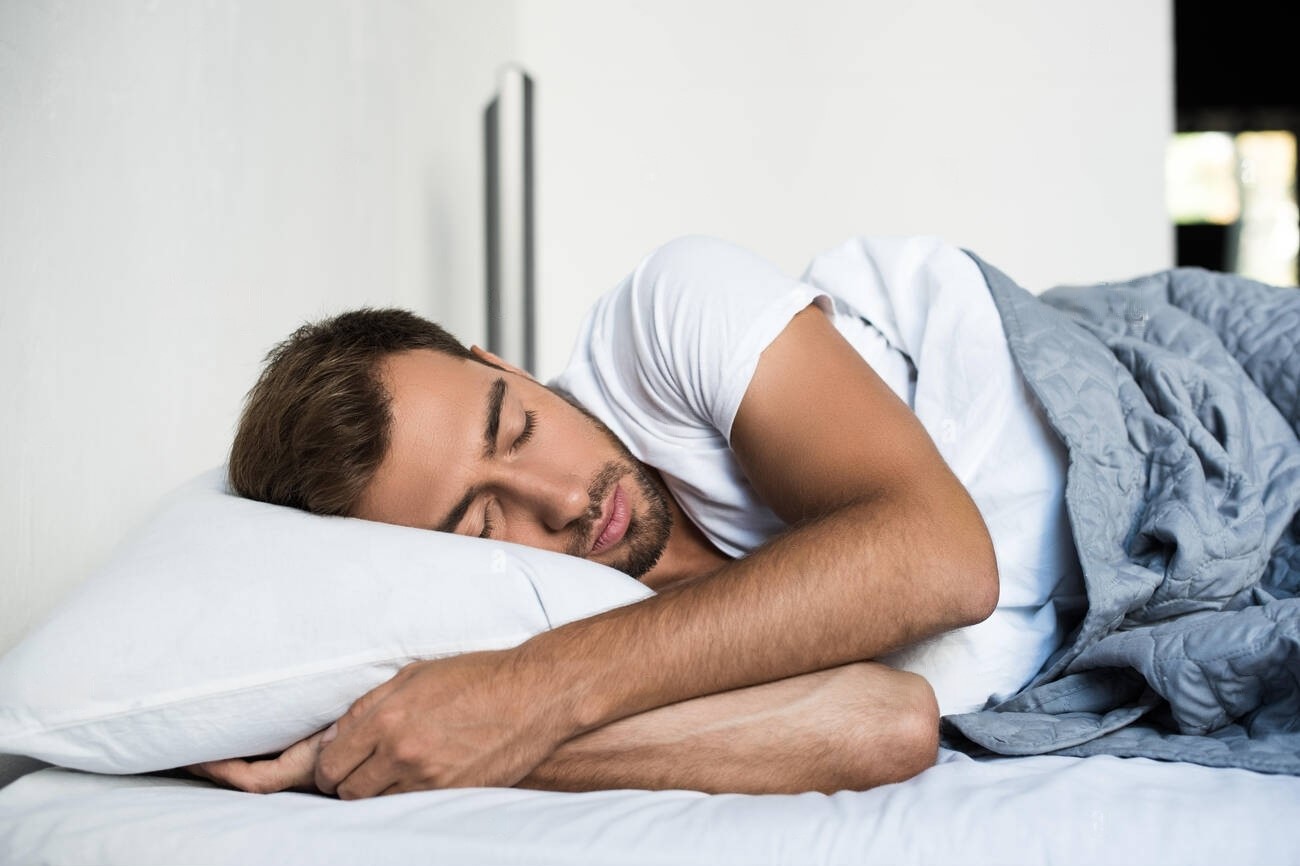
A good night’s sleep is essential for our overall health and well-being. It’s a crucial part of a healthy lifestyle, along with regular exercise and a balanced diet. However, many people struggle with sleep problems, which can have serious consequences for their health. Lack of sleep has been linked to a range of health issues, including obesity, diabetes, heart disease, and depression. That’s why it’s important to prioritize sleep and develop healthy sleep habits.
Unfortunately, sleep problems are common. According to the National Sleep Foundation, up to 70 million adults in the US have a sleep disorder. The most common sleep problems include insomnia, sleep apnea, and restless leg syndrome. These sleep disorders can have a significant impact on our quality of life, leading to daytime sleepiness, fatigue, mood changes, and poor performance at work or school.
The good news is that there are science-backed tips that can help us get better sleep and improve our health. In this post, we’ll explore 10 evidence-based strategies that can help us fall asleep faster, stay asleep longer, and wake up feeling refreshed. These tips are based on the latest research in sleep science and have been shown to be effective in improving sleep quality and overall health. By following these tips, you can start getting the sleep you need to feel your best. So, let’s dive in and discover the secrets to better sleep and a healthier you!
II. Create a Sleep-Conducive Environment
A good night’s sleep starts with creating a conducive sleep environment. Your bedroom should be a peaceful, calming space that promotes relaxation and sleep. Here are some tips for optimizing your bedroom environment for better sleep:
A. Optimize your bedroom environment for better sleep The first step to creating a sleep-conducive environment is to ensure that your bedroom is optimized for sleep. Keep your bedroom cool, dark, and quiet to promote restful sleep. A room that is too warm, too bright, or too noisy can disrupt your sleep and leave you feeling groggy and unrested in the morning.
B. Invest in a comfortable mattress and pillows Investing in a good quality mattress and pillows can significantly improve your sleep quality. A comfortable mattress and pillows help to keep your body in a comfortable, supported position while you sleep, reducing the risk of aches, pains, and discomfort that can disrupt your sleep.
C. Use blackout curtains and white noise to block out distractions Blackout curtains are a simple yet effective way to block out any unwanted light and create a dark environment that promotes restful sleep. They are particularly helpful if you live in an area with bright streetlights or early morning sunlight. White noise machines can also be useful in creating a quiet environment by masking any distracting sounds, such as traffic noise or a partner’s snoring.

III. Stick to a Sleep Schedule
A. Set a consistent sleep and wake time to regulate your body clock
Maintaining consistent sleep and wake time is crucial for setting your body’s natural circadian rhythm. By going to bed and waking up at the same time every day, you train your body to expect sleep at a certain time, making it easier to fall asleep and stay asleep. Aim for seven to eight hours of sleep per night and try to stick to the same sleep and wake schedule, even on the weekends. It may take a few weeks to adjust to a new sleep routine, but consistency is key.
B. Create a relaxing bedtime routine to signal to your body that it’s time for sleep
Creating a relaxing bedtime routine is an excellent way to signal to your body that it’s time for sleep. This routine can include a warm bath, reading a book, or practicing relaxation techniques such as meditation or deep breathing exercises. Avoid activities that stimulate your brain and keep you awake, such as watching television or using electronic devices. The goal is to create a peaceful and calming environment to help your mind and body unwind and prepare for sleep.
C. Avoid napping or sleeping in on the weekends
While it may be tempting to catch up on sleep by napping or sleeping in on the weekends, doing so can disrupt your body’s natural sleep-wake cycle. Oversleeping can make it harder to fall asleep at night, leading to insomnia and other sleep problems. If you need to catch up on sleep, it’s best to do so by going to bed earlier or waking up later, rather than napping during the day. Maintaining a consistent sleep schedule throughout the week is the best way to ensure a good night’s sleep and optimal health.

IV. Eat for Better Sleep
A good night’s sleep can be greatly influenced by what you eat. Eating a balanced diet that includes foods that promote better sleep can lead to improved sleep quality. Tryptophan-rich foods, such as turkey, chicken, and milk, can help to increase serotonin levels in the brain, which can promote relaxation and sleepiness. Magnesium-rich foods, such as leafy greens, nuts, and seeds, can help to relax muscles and calm the nervous system.
However, it is important to avoid heavy meals or large snacks before bedtime, as these can interfere with sleep. It is also advised to avoid caffeine and alcohol before bedtime. Caffeine is a stimulant that can make it difficult to fall asleep, and alcohol can disrupt the natural sleep cycle, leading to restless or interrupted sleep. Instead, consider having a light snack before bedtime, such as a small bowl of oatmeal or a banana. These foods are easy to digest and contain nutrients that can promote sleep.
It is also important to note that going to bed hungry can also disrupt sleep. If you are hungry before bedtime, consider having a small, healthy snack to curb your hunger and promote better sleep. A good snack option could be a small handful of almonds or a piece of fruit.
In addition to eating the right foods, it is also important to consider when you eat. Eating too close to bedtime can interfere with sleep, as your body will be focused on digesting food instead of preparing for sleep. It is best to eat your last meal at least 2-3 hours before bedtime to allow your body enough time to digest.
Overall, incorporating sleep-promoting foods into your diet and being mindful of your eating habits can greatly improve your sleep quality.

V. Exercise for Better Sleep
A. Explain the link between physical activity and sleep Getting regular exercise can lead to better sleep. Studies have shown that people who engage in regular physical activity experience deeper and more restful sleep than those who are sedentary. Physical activity also helps to reduce stress and anxiety, which can interfere with sleep quality.
B. Recommend regular exercise, but advise against exercising too close to bedtime While regular exercise can improve sleep, exercising too close to bedtime can actually make it harder to fall asleep. The increase in heart rate and body temperature from exercise can stimulate the body and make it difficult to wind down. For best results, aim to complete your workout at least a few hours before bedtime.
C. Suggest yoga or other gentle forms of exercise for relaxation Yoga and other gentle forms of exercise can be especially beneficial for sleep. These types of exercises can help to reduce stress and promote relaxation, making it easier to fall asleep and stay asleep. Additionally, yoga and other exercise forms can help stretch and loosen muscles, leading to less discomfort and pain during sleep.

VI. Manage Stress and Anxiety
A. Discuss the impact of stress and anxiety on sleep
Stress and anxiety can have a significant impact on sleep quality. When we are stressed or anxious, our bodies produce cortisol, a hormone that stimulates wakefulness and disrupts our natural sleep-wake cycle. Over time, this can lead to chronic sleep problems and even contribute to the development of mood disorders like depression and anxiety. It’s important to recognize the role that stress and anxiety play in sleep quality and take steps to manage these feelings.
B. Offer strategies for managing stress, such as meditation, deep breathing, and progressive muscle relaxation
There are many strategies for managing stress and anxiety that can help improve sleep quality. Meditation, deep breathing, and progressive muscle relaxation are all effective techniques for calming the mind and reducing stress. Meditation involves focusing your attention on your breath or a mantra to help quiet the mind. Deep breathing involves taking slow, deep breaths, which can help reduce stress and promote relaxation. Progressive muscle relaxation involves tensing and then relaxing different muscle groups in the body, which can help release tension and promote relaxation.
C. Highlight the benefits of therapy or counseling for chronic stress or anxiety
For some people, chronic stress or anxiety may require professional help. Therapy or counseling can be an effective way to manage these feelings and improve sleep quality. Cognitive-behavioral therapy, in particular, has been shown to be effective for treating insomnia and other sleep problems. This type of therapy focuses on changing negative thought patterns and behaviors that contribute to sleep problems, and replacing them with more positive ones. It can be especially helpful for people with chronic stress or anxiety that is affecting their sleep.
Overall, managing stress and anxiety is an important part of promoting better sleep and overall health. By using techniques like meditation, deep breathing, and progressive muscle relaxation, and seeking professional help when necessary, you can reduce stress and anxiety and improve your sleep quality.

VII. Limit Screen Time
A. Explain how exposure to blue light from screens can interfere with sleep Blue light emitted by electronic devices such as smartphones, tablets, and computers can interfere with your body’s production of melatonin, the hormone that regulates sleep. This can make it harder to fall asleep and lead to poor sleep quality.
B. Suggest limiting screen time before bed or using blue light-blocking glasses To mitigate the effects of blue light on your sleep, it’s best to avoid using electronic devices for at least an hour before bed. If you need to use your device, consider using blue light-blocking glasses, which can help reduce the amount of blue light that reaches your eyes.
C. Encourage engaging in other relaxing activities before bed, such as reading or taking a bath Instead of using electronic devices before bed, consider engaging in other relaxing activities that can help you wind down and prepare for sleep. Reading a book, taking a warm bath, or practicing relaxation techniques like deep breathing can help signal to your body that it’s time to sleep. These activities can also help reduce stress and anxiety, which can also interfere with sleep.
VIII. Take a Warm Bath or Shower
A warm bath or shower before bed is a simple and effective way to promote better sleep. The warm water helps to relax the muscles and soothe the body, creating a sense of calm and tranquility that can help you drift off to sleep more easily.
In addition to its relaxing properties, a warm bath or shower can also help regulate body temperature, which is an important factor in promoting good sleep. When we go to sleep, our body temperature naturally drops, and a warm bath or shower can help facilitate this process.
To enhance the relaxing effects of a warm bath or shower, consider adding scents like lavender or chamomile, which are known for their calming properties. These scents can help create a peaceful atmosphere, preparing your mind and body for a restful night’s sleep.
It’s important to note that taking a bath or shower too close to bedtime can actually have the opposite effect, as the body needs time to cool down before falling asleep. To ensure the best results, try taking a warm bath or shower at least an hour before bed, giving your body enough time to relax and unwind.

IX. Invest in a Good Pillow
A. Discuss the importance of a good pillow for proper sleep posture and spine alignment
A good pillow is essential for proper sleep posture and spine alignment. A pillow that is too flat, too high, or too soft can cause neck pain and other discomforts. On the other hand, a good pillow will keep your head, neck, and spine in a neutral position, which can help reduce pain and improve sleep quality.
B. Offer tips for selecting the right pillow for your sleeping position and preferences
When choosing a pillow, consider your sleeping position and personal preferences. If you sleep on your back, you’ll need a thinner pillow than if you sleep on your side. If you’re a stomach sleeper, a flat pillow may be the best option. Look for a pillow that is firm enough to support your head and neck, but not so firm that it feels uncomfortable.
C. Highlight the benefits of memory foam and other supportive materials
Memory foam pillows are popular because they conform to the shape of your head and neck, providing customized support. Other supportive materials include latex, which is naturally hypoallergenic, and buckwheat, which is adjustable and provides good airflow. When choosing a pillow, make sure it’s made of high-quality materials that will last for years and provide the support you need for a good night’s sleep.

X. Consider Natural Sleep Aids
A good night’s sleep can be elusive, even with the best sleep habits and a sleep-conducive environment. For those who continue to struggle with getting the recommended 7-9 hours of sleep each night, natural sleep aids may be a consideration. Here are some science-backed tips for better sleep and health by considering natural sleep aids:
A. Discuss the benefits and drawbacks of natural sleep aids, such as melatonin and valerian root
Natural sleep aids, such as melatonin and valerian root, have gained popularity as an alternative to prescription and over-the-counter sleep aids. Melatonin is a hormone that helps regulate the sleep-wake cycle, and can be taken in supplement form. Valerian root is an herb that has been traditionally used to treat anxiety and insomnia. While these natural sleep aids can be effective for some people, they may not be appropriate for everyone. It is important to speak with a healthcare provider before trying any new sleep aid.
B. Highlight the importance of consulting with a healthcare provider before trying any new sleep aid
Even natural sleep aids can have potential side effects and interact with other medications, so it’s important to speak with a healthcare provider before trying any new sleep aid. They can also help determine if a natural sleep aid is appropriate for you based on your medical history and other factors.
C. Offer alternative relaxation techniques and strategies for better sleep
If natural sleep aids are not an option or you’re looking for additional strategies for better sleep, there are many other relaxation techniques that can help promote better sleep. These include deep breathing exercises, progressive muscle relaxation, and visualization techniques. It’s also important to create a sleep-conducive environment, stick to a sleep schedule, and limit screen time before bed.
In conclusion, incorporating natural sleep aids can be a viable option for those struggling to get a good night’s sleep. However, it is important to consult with a healthcare provider before trying any new sleep aid, and to consider alternative relaxation techniques and strategies for better sleep. By following these science-backed tips for better sleep and health, you can improve the quality and duration of your sleep, and reap the many benefits of a good night’s rest.
XI. Conclusion
A good night’s sleep is essential for optimal health and well-being. By following the 10 science-backed tips for better sleep and health, you can improve your sleep quality and quantity, boost your immune system, and reduce the risk of chronic health conditions.
In summary, the 10 tips are:
- Create a sleep-conducive environment
- Stick to a sleep schedule
- Eat for better sleep
- Exercise for better sleep
- Manage stress and anxiety
- Limit screen time
- Take a warm bath or shower
- Invest in a good pillow
- Consider natural sleep aids
- Stay consistent in practicing good sleep habits
Don’t underestimate the power of a good night’s sleep. Prioritizing your sleep can have a positive impact on your overall health and well-being. Remember, better sleep means a better you.
For more information on the benefits of better sleep and health, be sure to check out our blog and follow us on social media. Sweet dreams!
Start your fitness journey today. Click here!
 Knowledge Glutton